RECESSION VS. DEPRESSION: DECOUPLING CYCLICAL CORRECTIONS FROM SYSTEMIC COLLAPSE
While the terms "recession" and "depression" are occasionally used interchangeably in casual
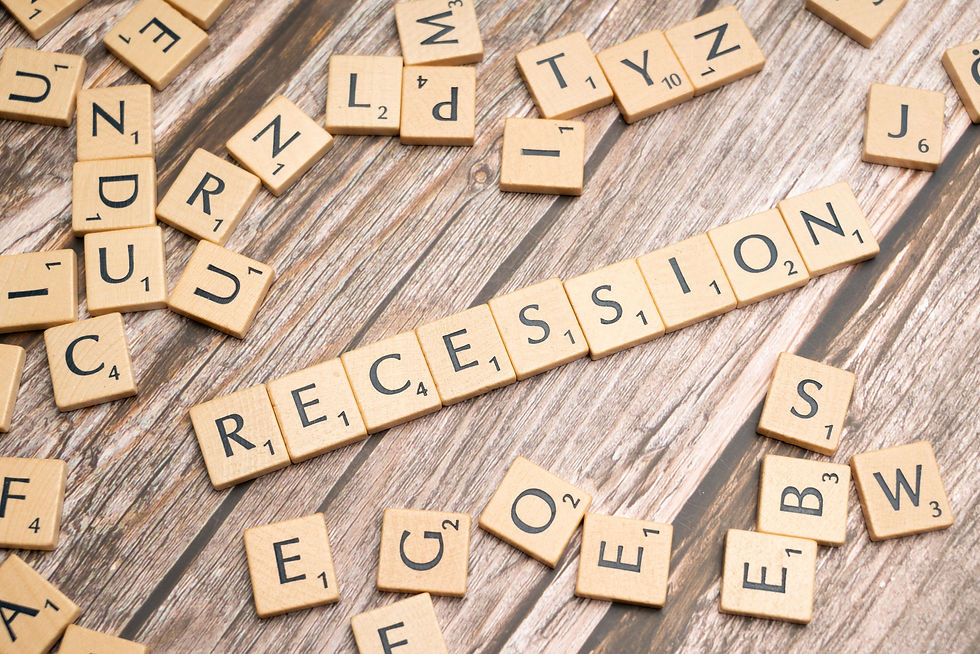
discourse, they represent fundamentally different levels of macroeconomic distress and financial decay. A technical recession is generally defined as two consecutive quarters of negative Real GDP growth, often accompanied by climbing unemployment and contracting corporate profit margins. In the typical business cycle, a recession serves as a temporary, corrective phase that clears away localised overproduction and realigns asset pricing without breaking the core financial architecture of the nation.
An economic depression, by contrast, is a prolonged, systemic collapse characterised by a
catastrophic drop in economic output, years of high unemployment, and widespread asset
deflation. The structural shift from recession to depression is usually triggered by a severe
banking crisis that freezes credit or causes a systemic balance sheet recession. In this scenario, households and corporations simultaneously stop spending to pay down debt, rendering traditional monetary interest rate cuts ineffective. This self-reinforcing contraction can inflict long-term economic damage, leaving structural scars on the labor force and keeping output below potential for a generation.
Conclusion
Although recessions and depressions both involve economic decline, they differ significantly in duration, severity, and overall impact. Understanding these economic events helps individuals, businesses, and investors make more informed decisions during periods of uncertainty while maintaining a long-term perspective.
Disclaimer: Finora publishes educational and informational content only. The information in this article should not be interpreted as financial, investment, legal, accounting, or tax advice, nor as a recommendation to buy or sell any financial product or security. Investing involves risk, and past performance does not guarantee future results. Always perform your own research and, where appropriate, seek advice from a qualified financial professional before making financial decisions.



Comments